Radical Futures: Tools for Moving Beyond Capitalism
Expand your systemic thinking, awaken imagination and find your people
"I LOVED the course. Highly recommended for connecting the personal to the geopolitical, creating frameworks for us to make sense in times of insanity and help us figure out what is ours to do."
– Gail Bradbrook, Extinction Rebellion co-founder
A transformative learning journey into the crises of our time, possible post-capitalist futures, and our capacity to bring them into being.
Across the world, people committed to social and ecological transformation are grappling with increasingly complex questions. What drives the multiple crises unfolding around us? Why are movements for climate and social justice struggling to create structural change? How do we respond to accelerating ecological breakdown and spreading fascism? What might a world beyond capitalism and patriarchy actually look like? And what would it take — personally and collectively — to bring such a world into being?
This course is an invitation to explore these questions in depth and in company.
Over three weekends, activist and writer Martin Winiecki and community facilitator Juliette Baigler, together with radical thinkers and practitioners from around the world, will guide you through a journey of systemic thinking, imagination and embodied practice.
But this is not simply a course to attend and leave behind. It is also an opportunity to meet others who are wrestling with the same questions: people from different countries, movements and backgrounds who are searching for deeper ways to grapple with our predicament and more grounded ways to act.
A space for systemic inquiry, imagination and connection
The course combines:
- • Systemic analysis and political theory
- • Somatic practices for regulation, grief, presence and aliveness
- • Self-reflection and embodied inquiry
- • Collective imagination and visioning
- • Small-group dialogue and peer learning
- • Encounters with concrete alternatives already taking shape around the world
- • Opportunities to connect with people from different places, movements and perspectives
You don't need to arrive with a fully formed vision of the future. What matters is your willingness to question, explore and think beyond the assumptions of the present.
You may leave with expanded frameworks for understanding the world, new possibilities for action, and questions you hadn't thought to ask.
And you may leave knowing there are others asking them too.
You'll explore
- • What connects the ecological, political, economic and social crises of our time
- • How capitalist modernity shapes not only our institutions and economies, but our relationships, desires and ways of thinking
- • How to recognize what is already emerging beyond dominant systems
- • Alternative economies, commons, Indigenous knowledge systems and regenerative practices
- • How to expand our capacity to imagine genuinely different futures
- • How to translate vision into practical experiments and systemic action
- • How to organize without reproducing the patterns we seek to transform
- • How to make activism and social change work more sustainable and grounded
- • What your own contribution might be — and who you might want to make it with
Course Content
Radical Futures consists of 12 live sessions over three long weekends in October and November. Each session is a two-hour interactive webinar on Zoom, from 6–8pm UTC. There will be an optional 30 min breakout room for participants to connect after each session.
The three modules take us through a journey from understanding what is unraveling, to exploring what is emerging, to cultivating our capacity to participate in systemic transformation.
What is unraveling?
October 22–25
The first weekend will help you make sense of and accompany the unraveling of capitalist modernity, led by Martin's teaching and Juliette's facilitation.
What, exactly, are systems?
October 22
We’ll set the frame for our inquiry within an evolutionary perspective, exploring how self-organizing systems shape life at every scale — and why capitalism’s organizing logic increasingly contradicts the fundamental conditions on which life depends.
How to encounter the polycrisis with an open heart?
October 23
How can we face the realities of ecological destruction, oppression and systemic violence without becoming numb, overwhelmed or consumed by hatred? We’ll explore what a politics rooted in empathy could look like, while examining some of the deeper dynamics driving our civilizational crisis.
How does capitalism live within us?
October 24
Capitalism is not only an economic system "out there" — its narratives, hierarchies and patterns of relating can become embedded in our own ways of thinking and being. Through intellectual provocations, somatic reflection and self-inquiry, we’ll explore how systems of oppression, privilege, trauma and internalized narratives shape our lives.
Integration
October 25
A participatory session to bring together the insights of the weekend, reflect on what has shifted in our understanding, and explore what questions we want to carry forward.
What is emerging?
November 5–8
Together with radical visionaries and practitioners of system change, we’ll explore practices, economies and cultures already pointing towards a world that tends to the needs of all.
Economic alternatives in the geopolitical North
November 5 with Sandra Bégidis Rueda & Jason Nardi
What could an economy look like when it is organized around human and ecological needs rather than accumulation and profit? We’ll explore social and solidarity economies, cooperative forms of organization and concrete experiments of post-capitalist communities.
Economic alternatives in the geopolitical South
November 6 with Claudio Miranda & Azize Aslan
From Kurdish movements to community-led initiatives in Brazil, we’ll encounter economic alternatives emerging from very different social and political contexts. What can these experiments teach us about autonomy, collective resilience, women’s leadership and organizing economies around the needs of communities?
Indigenous imaginations & regenerative land stewardship
November 7 with Lyla June Johnston
What becomes possible when we begin from relationships with Earth, ancestors, more-than-human life and future generations? We’ll explore Indigenous knowledge systems, animism and regenerative approaches to land stewardship, asking what if humans became a keystone species nurturing the community of life once again.
Integration
November 8 with Martin Winiecki & Juliette Baigler
We’ll bring the different perspectives of the weekend into conversation, reflecting on what they reveal about the possibilities of post-capitalist futures — and what they might mean for the places and communities we are part of.
How do we participate?
November 19–22
Imagining alternatives is not enough. This final weekend turns toward agency, relationship, capacity and practice — exploring how we can embody and co-create regenerative, post-capitalist futures.
How does change happen?
November 19 with Martin Winiecki & Juliette Baigler
We’ll explore possible pathways and catalysts for systemic transformation, and begin translating our visions of post-capitalist life into concrete points of intervention.
Mobilizing towards vision & radical nonviolence
November 20 with Miki Kashtan, Aurélia Saint-Just & Emma Quayle
How can we transform systems and build movements without reproducing the power-over logic we seek to overcome? We’ll explore radical nonviolence as both a way of relating and an organizing principle.
Embodying the future
November 21 with Martin Winiecki & Juliette Baigler
System change is not only something we think about or organize for. It asks us to cultivate new capacities for presence, relationship, conflict, discernment and collective action. Through embodied practices, relational exercises and smaller-group work, we’ll experiment with these capacities and explore what it might mean to begin practicing the worlds we want to create, here and now.
Integration & commitments towards system change
November 22 with Martin Winiecki & Juliette Baigler
We’ll bring the three weekends together, reflect on what we have learned and how our perspectives have shifted, and identify concrete ways each of us wants to participate in the changes ahead — individually, collectively and in the places we call home.
Learning together
We strongly recommend attending the live sessions. They include Q&A, self-reflection, embodied exercises, breakout groups and opportunities to meet and learn with other participants.
We consider community building as important as the intellectual content of this endeavor. If you are unable to attend one or several live sessions, you will have access to the recordings afterwards and be able to exchange with fellow participants. After each session, we’ll provide materials to support further study and inquiry.
Between each block, lightweight practices — such as reflection questions, local micro-actions or a three-way call with other participants — will support integration and ongoing connection.
The community we build need not only be virtual or limited to the duration of the course. Triplets, local meetups and a global map of participants will provide infrastructure for staying connected with other participants and, if you choose, meeting in local groups after the course ends.
After the course, you will continue to have free access to the recordings, study resources and study platform.
A post-capitalist approach to money
As a gesture towards a post-capitalist economy, we offer this course without a paywall.
We invite you to contribute according to your financial capacity, and we will not turn anyone away for lack of funds.
What Former Participants Say
"Martin is an incredibly gifted teacher and speaker with an eloquence and intellect rarely encountered. His distillation of ideas into well crafted lessons sparked new realizations for me and has already shifted my day-to-day life. The class discussions were nourishing."
– Julia Reeve
"The illumination of and engagement with the structural and systemic understanding of the violence of Western modernity is critical so that alternatives do not reinforce structural oppression. As a person of colour, I appreciate the tools to respond to the violence and oppression with radical empathy and 'sacred activism'."
– Michelle Pressend, PhD
"Radical Futures explores the current political situation through a lens of compassion instead of despair. Very well designed and efficiently delivering the content."
– Elina Hounta, PhD
"A moving, connecting and inspiring experience, at times heart-breaking, and with lots of care for embodiment. I strongly recommend this course. I learned things that I can never unsee again."
– An Van Damme, participatory leadership facilitator
Speakers
Main Speakers and Facilitators
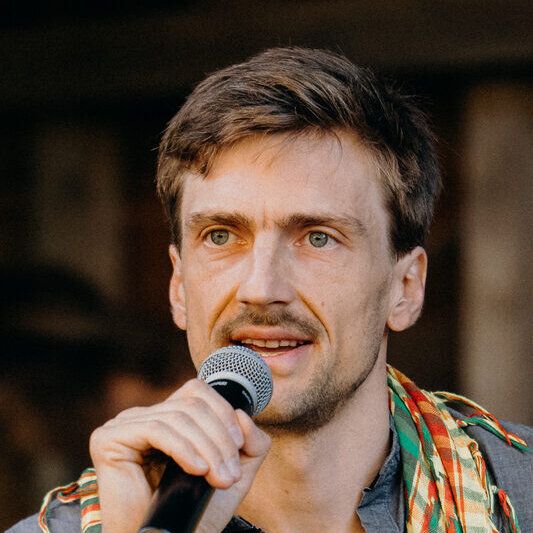
Martin Winiecki
A writer and activist focusing on ecology and international solidarity. His thinking has been shaped by many years in intentional community, by learning from frontline communities in the geopolitical South, and by encounters with elders and visionaries from around the world. His work weaves together deep ecology, critical theory, anarchism and systems thinking.
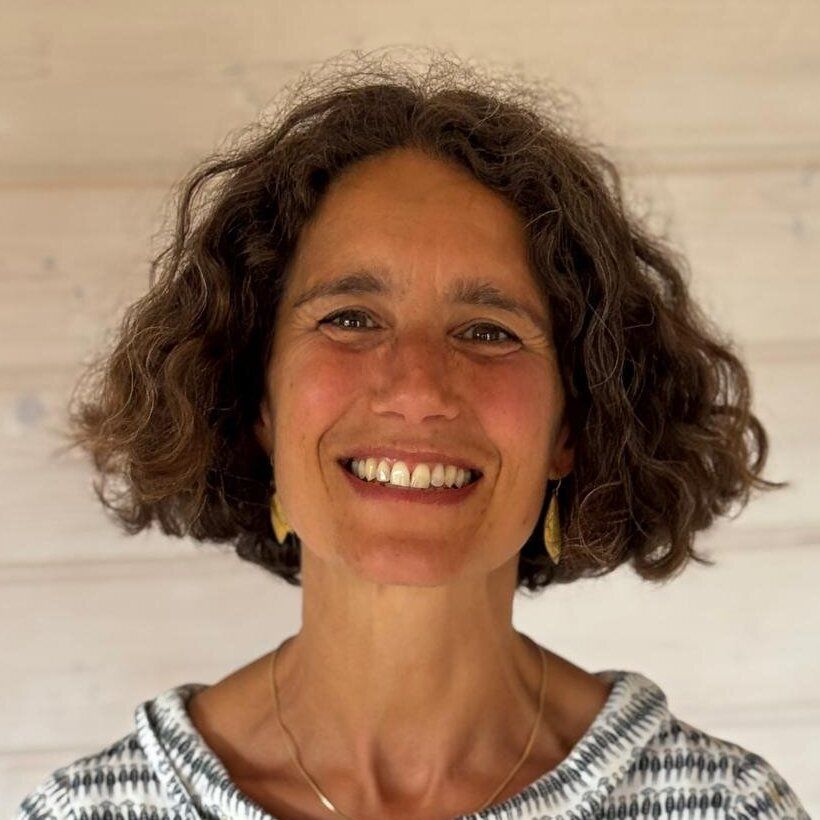
Juliette Baigler
is committed to exploring how we heal and flourish together. She coaches organizational leaders and independent change agents and provides supervision to other practitioners. Her approach to facilitation draws on applied psychology, somatic therapy and a committed qigong practice. She lives on a regenerative farm together with her family.
Guest Speakers
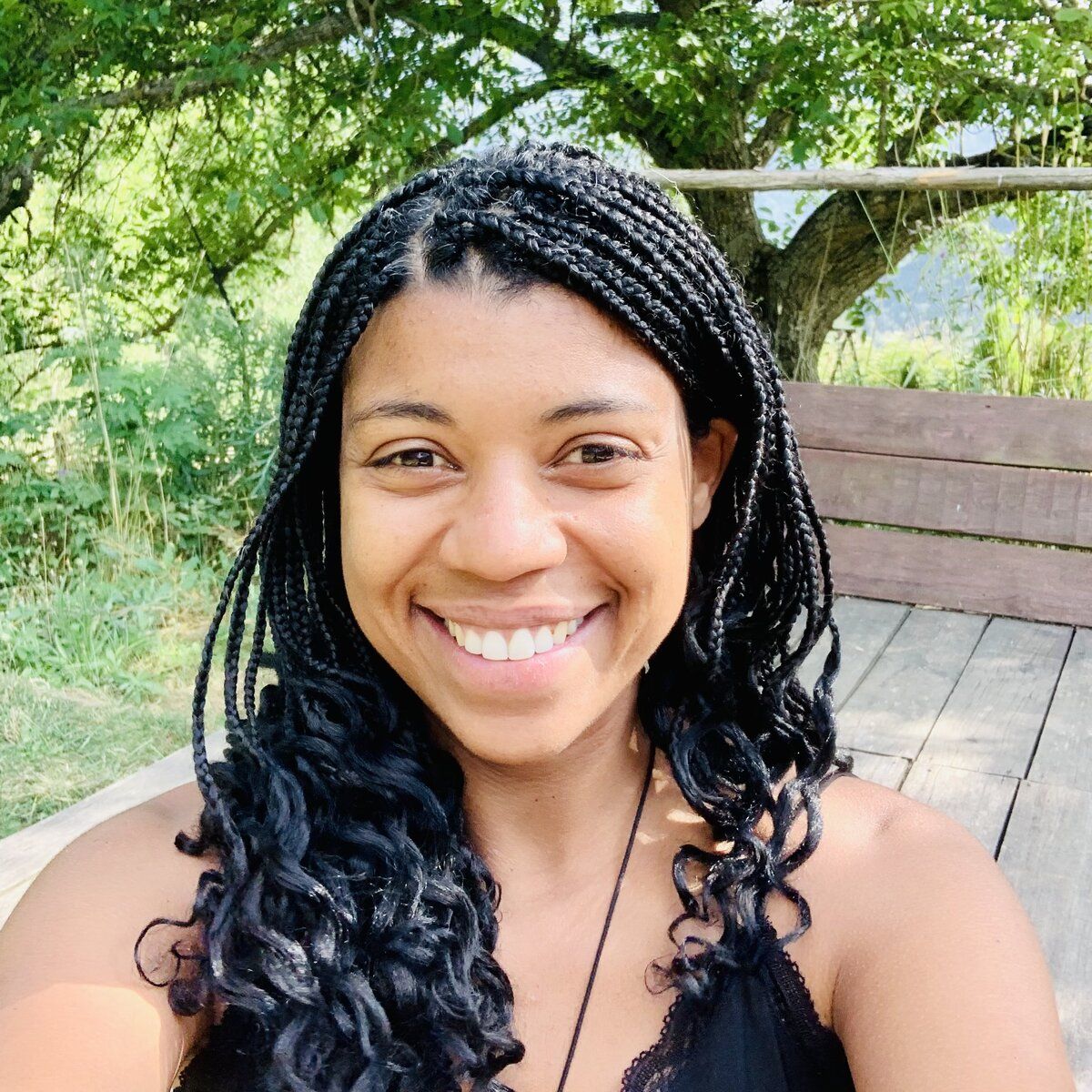
Sandra Bégidis Rueda
A birth Doula, haptonomy practitioner, ecovillage co-founder, active member of the Nonviolent Global Liberation collective and Vice-president of the Les Pas-Sages Cooperative. Les-Pas-Sages gathers 35 intentional communities around a common legal and financial system that allows them to be in interdependence and progressively increase the mutualization of resources.
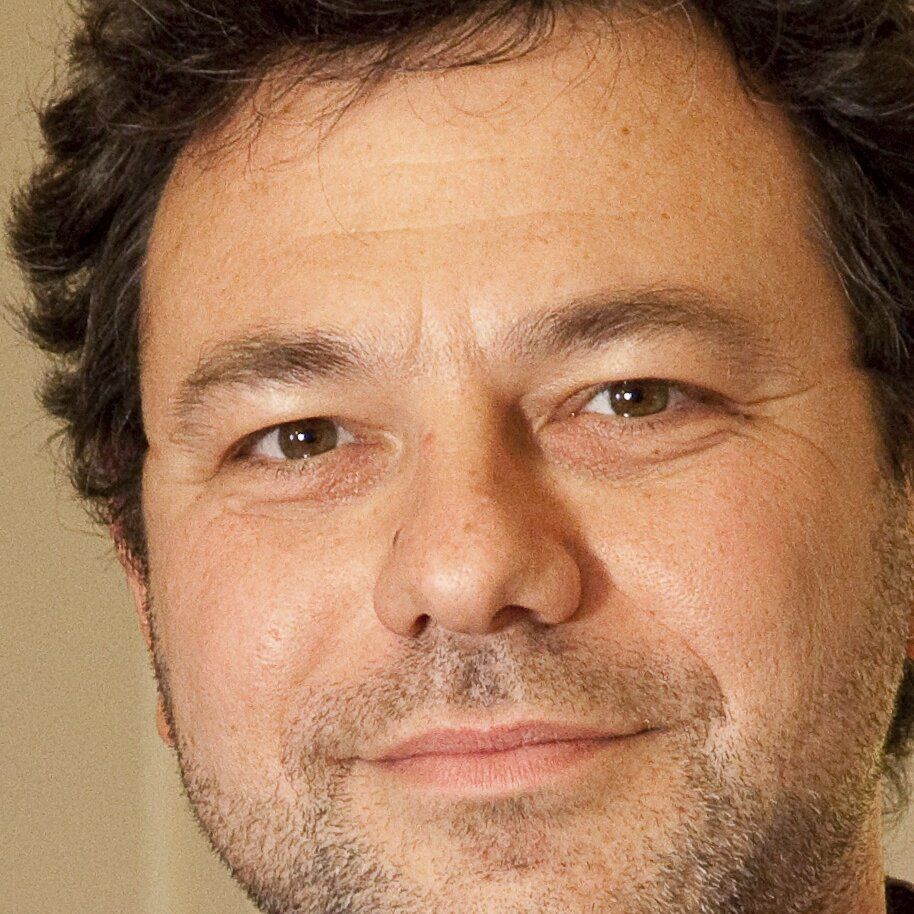
Jason Nardi
A lifelong social and environmental justice activist, he works to advance solidarity economy and ethical finance through grassroots practice, training and international advocacy. As General Delegate of RIPESS Europe and co-president of the ECOLISE network, he connects local alternatives with global movements for economic transformation and remains active in Italy's solidarity economy networks.
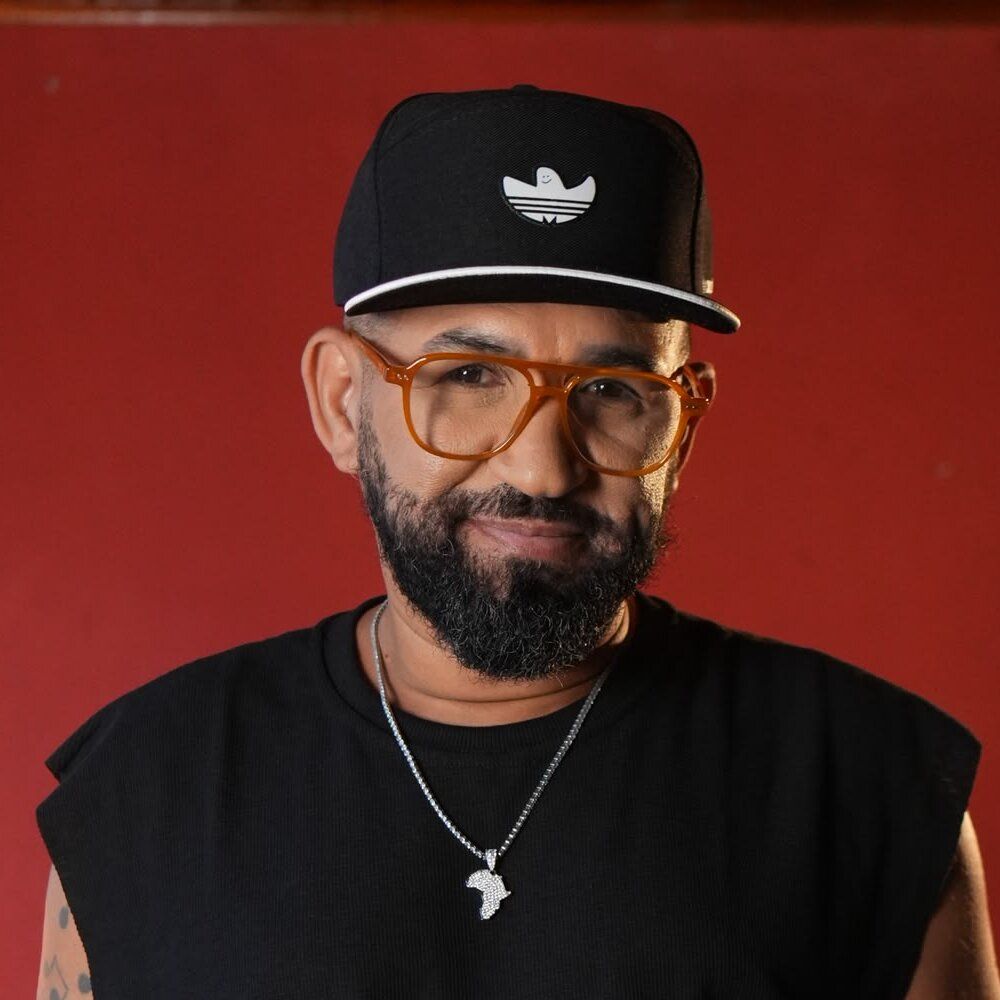
Claudio Miranda
A musician, educator, activist, and co-founder of the Favela da Paz Institute in Jardim Ângela, São Paulo. Having started out in music with the band Poesia Samba Soul, his work has evolved into a community initiative that combines culture, education, regenerative technology, and peacebuilding. Favela da Paz is a living example of a post-capitalist economy based on sharing and community care.
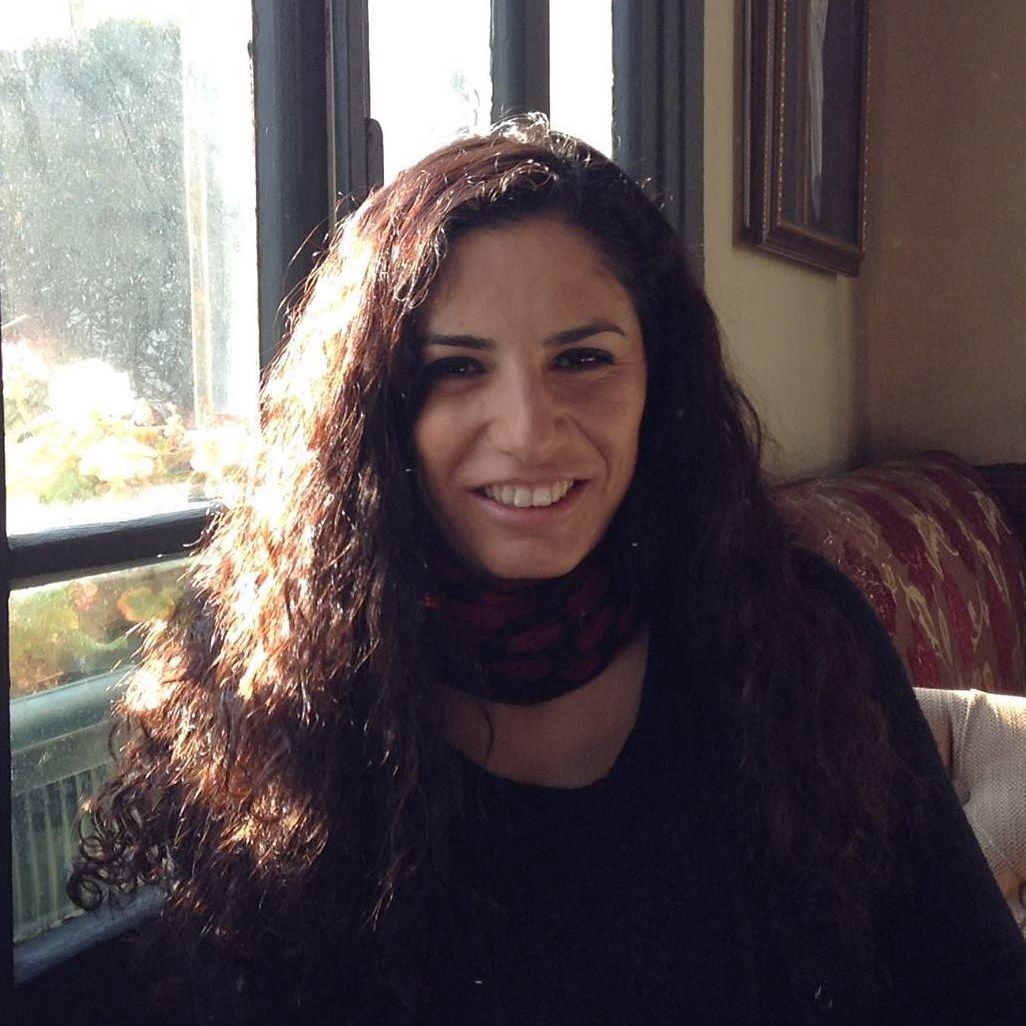
Azize Aslan
A Kurdish sociologist and activist in the Kurdistan women’s movement. Her work focuses on women’s economies, cooperatives and the construction of an anti-capitalist social economy in Kurdistan. Her doctoral research examined the autonomous process and social economy of Rojava. She is the author of Anticapitalist Economy in Rojava: The Contradictions of the Revolution in the Kurdish Struggles.
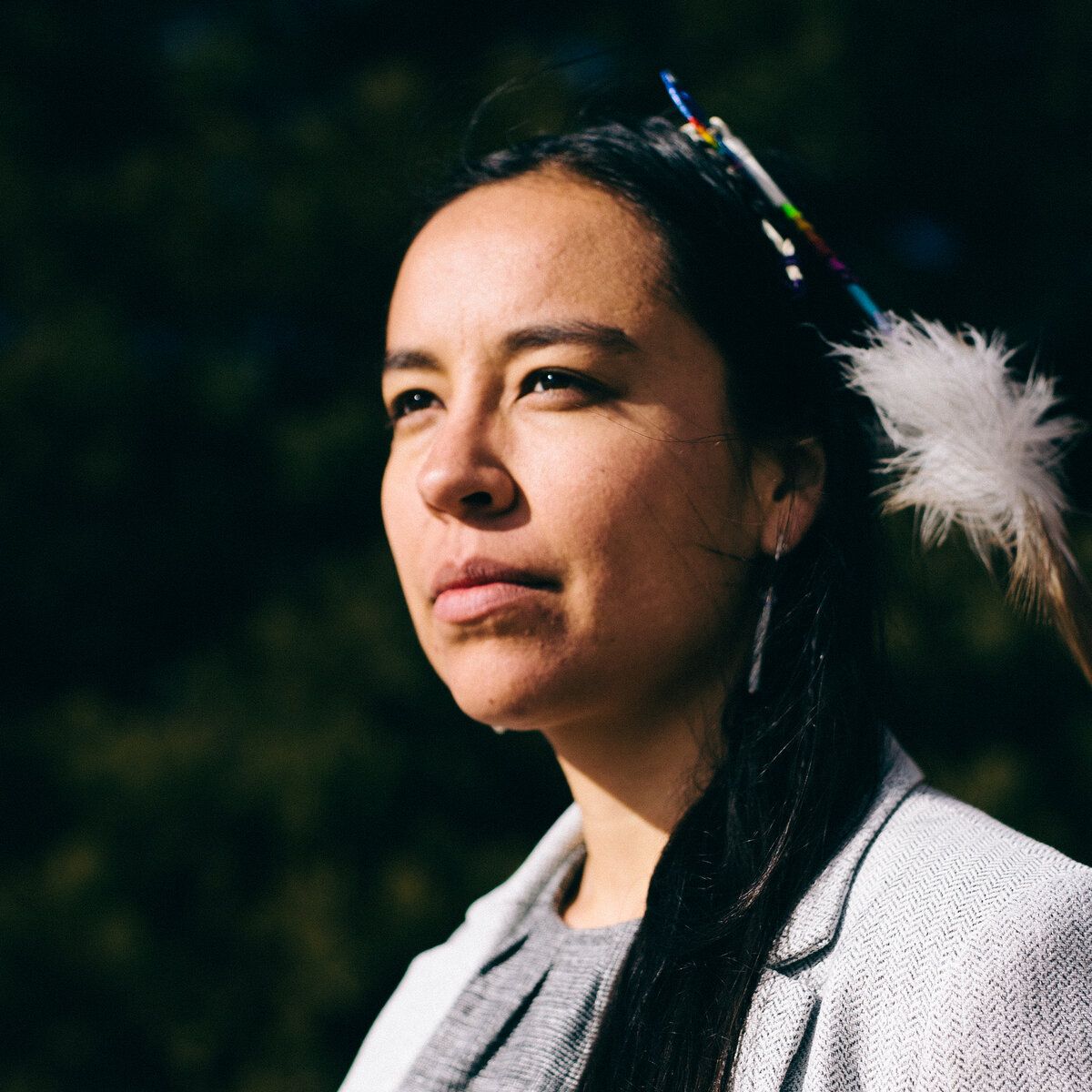
Lyla June Johnston
Indigenous musician, scholar and community organizer of Diné (Navajo), Tsétsêhéstâhese (Cheyenne) and European lineages. Her work focuses on Indigenous rights, youth, traditional land stewardship and healing intergenerational trauma. Her doctoral research explores how pre-colonial Indigenous Nations shaped ecosystems across Turtle Island to sustain abundant food systems.
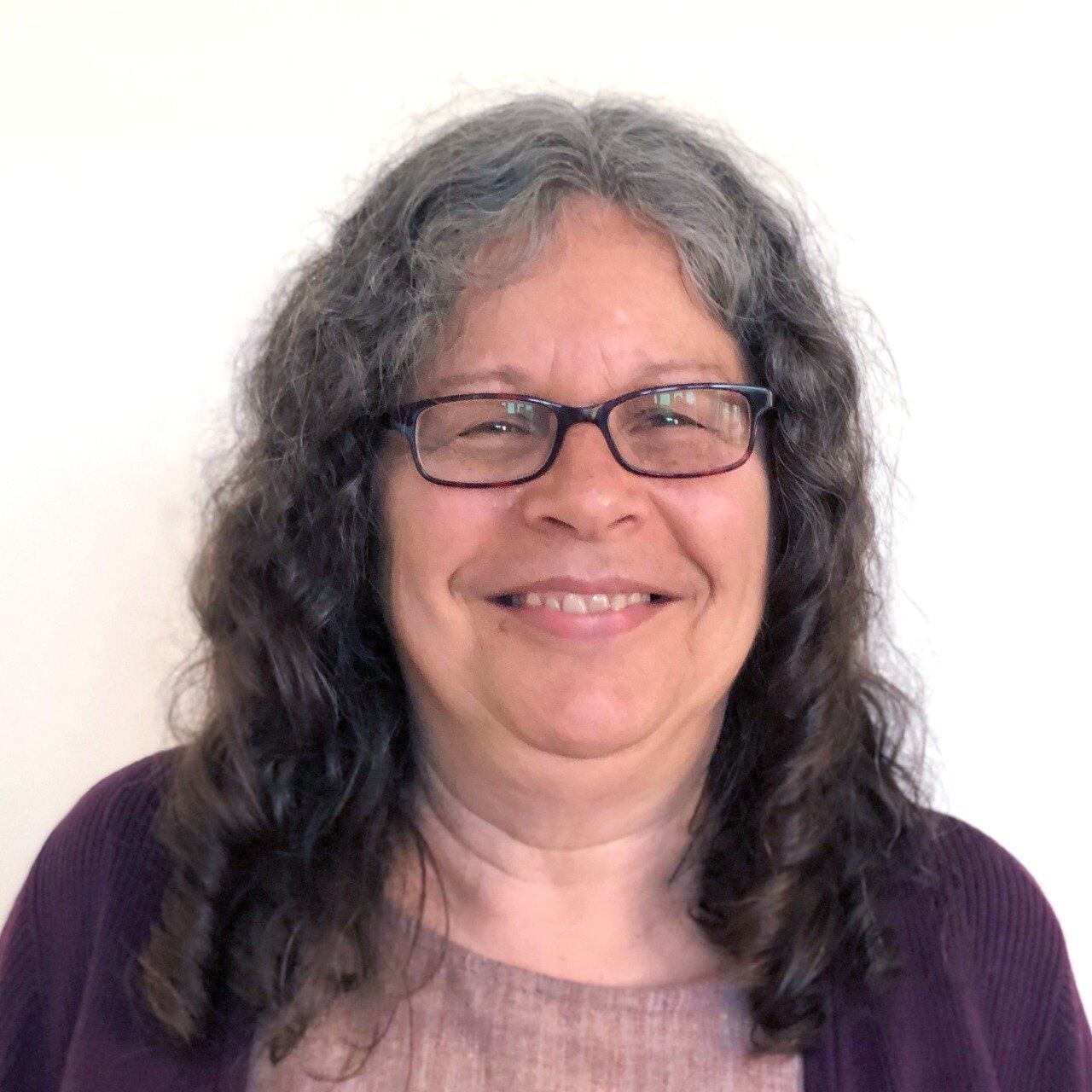
Miki Kashtan
Integrates vision and practicality in her writing, facilitation, and teaching. She birthed the Nonviolent Global Liberation community in 2017, where she and others build blueprints for systemic change from within community experimentation in maternal gifting, integrative decision making, and full collaborative leadership. Miki's writing and other resources are on The Fearless Heart.
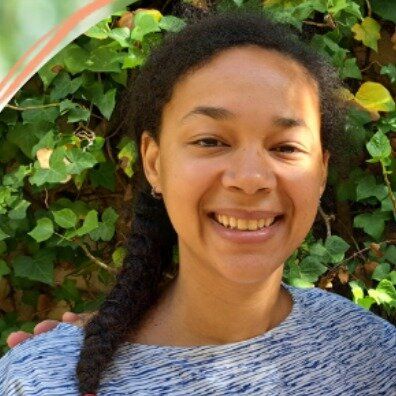
Aurélia Saint-Just
Started her liberation journey working on power dynamics within and between affected communities and between communities and humanitarian NGOs. Wanting to shift to addressing causes, she became part of a French collective working on alternative economics. From there she has pursued deeper exploration of individual and collective functioning through Nonviolent Global Liberation community.
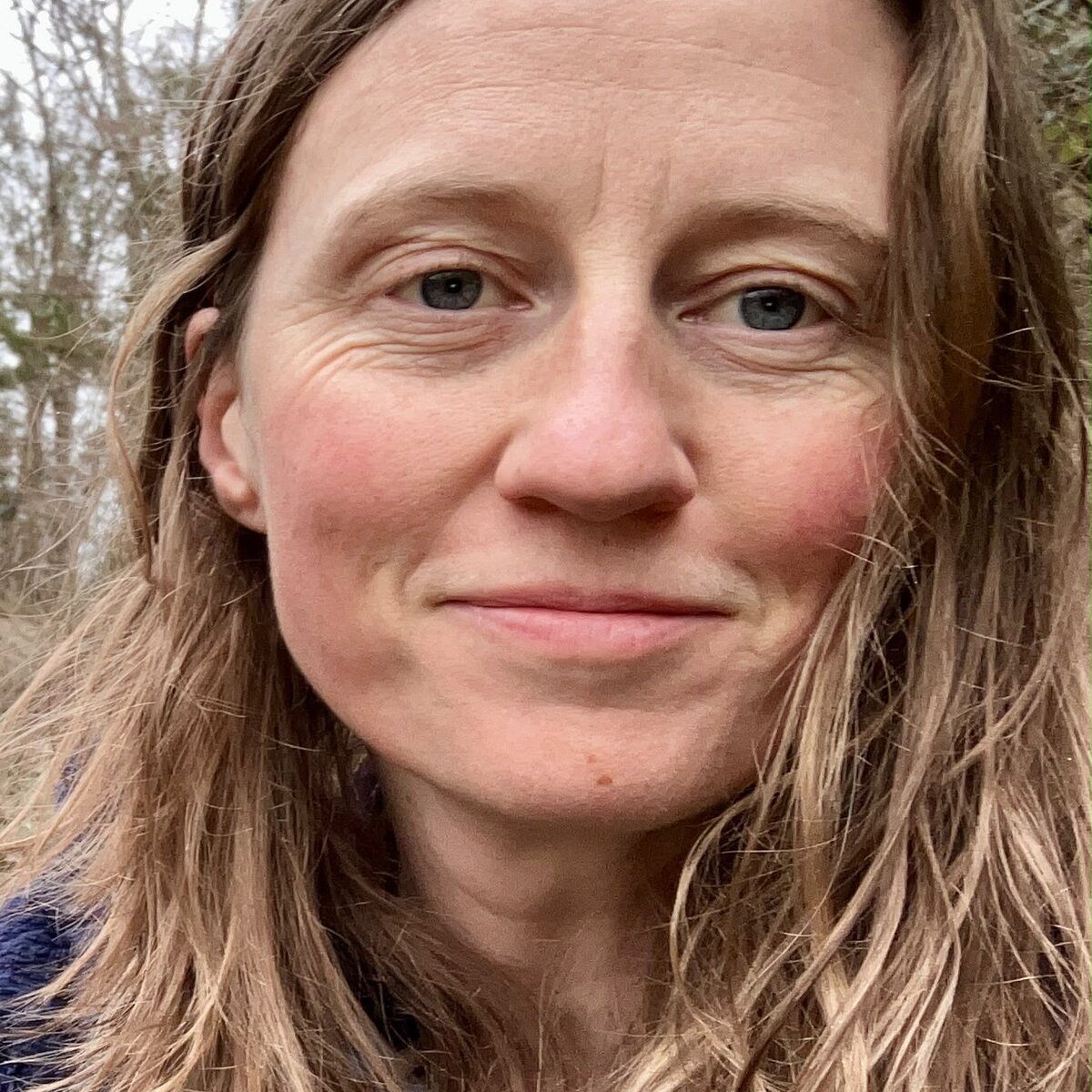
Emma Quayle
A founding member of the Nonviolent Global Liberation community, Emma is focused on the integration and application of nonviolent communication for the purpose of designing environments that support thriving for both humans and other beings.
Tech support & community manager
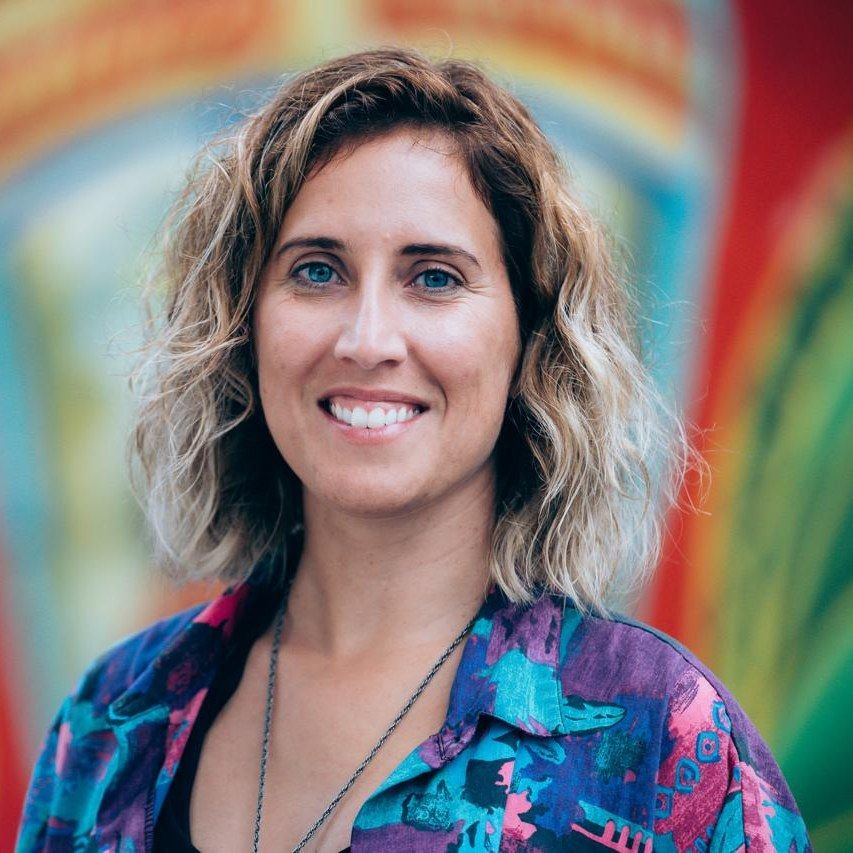
Rosanna Lopes
A community builder and event producer, co-founder of Lisbon Digital Nomads, with hundreds of community gatherings hosted since 2015. She works as a tour guide for Ecovillage Tours Spain and in online community management for Clue, an app supporting women’s health. Based between Tamera, TDF and São Luís, she is interested in systems change and focused on supporting the regeneration of Alentejo.